

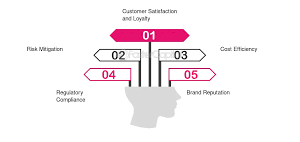
Quality assurance (QA) in real estate is an essential process that ensures all aspects of a construction project meet established standards and client expectations. Here’s an overview of its importance and key components:
- Consistency in Standards: Quality assurance helps maintain consistent standards across a project. By having established guidelines and practices, clients can expect a level of quality that meets or exceeds industry requirements, which is crucial for reputation building.
- Risk Mitigation: Implementing QA processes helps identify potential issues early in development, reducing the risk of defects or failures later on. This proactive approach can save time and money by preventing costly corrections or litigation due to non-compliance.
- Client Satisfaction: Quality assurance plays a pivotal role in meeting client expectations. By ensuring that materials, workmanship, and designs adhere to agreed specifications, clients receive a final product that aligns with their vision and investment.
- Regulatory Compliance: The construction industry is heavily regulated, with numerous codes and standards. QA ensures that all work complies with relevant laws, building codes, and safety regulations. This compliance protects project stakeholders from legal issues and penalties.
- Training and Education: A focus on quality assurance includes training for workers, contractors, and project managers on best practices and quality standards. This education fosters a culture of quality throughout the project lifecycle.
- Documentation and Accountability: QA processes involve thorough documentation, including inspections, testing results, and compliance checks. This creates a detailed record that can be referenced and holds all parties accountable for their work and decisions.
- Enhanced Reputation: Real estate firms that emphasize quality assurance build a strong reputation in the marketplace. Delivering high-quality projects establishes trust with clients and can lead to repeat business and referrals.
- Cost-Effectiveness: While implementing QA procedures may seem like an added cost, it ultimately results in savings. By preventing defects, ensuring efficient use of materials, and reducing rework, QA leads to lower overall project costs.
- Continuous Improvement: Quality assurance isn’t just about meeting current standards—it also encourages a mindset of continuous improvement. By regularly reviewing processes and outcomes, firms can identify areas for enhancement, leading to better practices over time.
- Stakeholder Confidence: Strong QA practices enhance confidence among investors, clients, and stakeholders. Knowing that a project has undergone rigorous quality checks assures stakeholders that their investments are secure and well-managed.
In summary, effective quality assurance in real estate is essential for delivering high-quality projects that satisfy client expectations, comply with regulations, and foster a culture of excellence.